
One of the most long standing biennials in Asia, Taipei Biennial is held by Taipei Fine Arts Museum, endeavoring to drive the development of Taiwanese contemporary art. Taipei Biennial has served as a platform of interection and exchange between local and international communities, actively engaging with the diversity of cultural perspectives to be found throughout the network of Asian and global contemporary art.
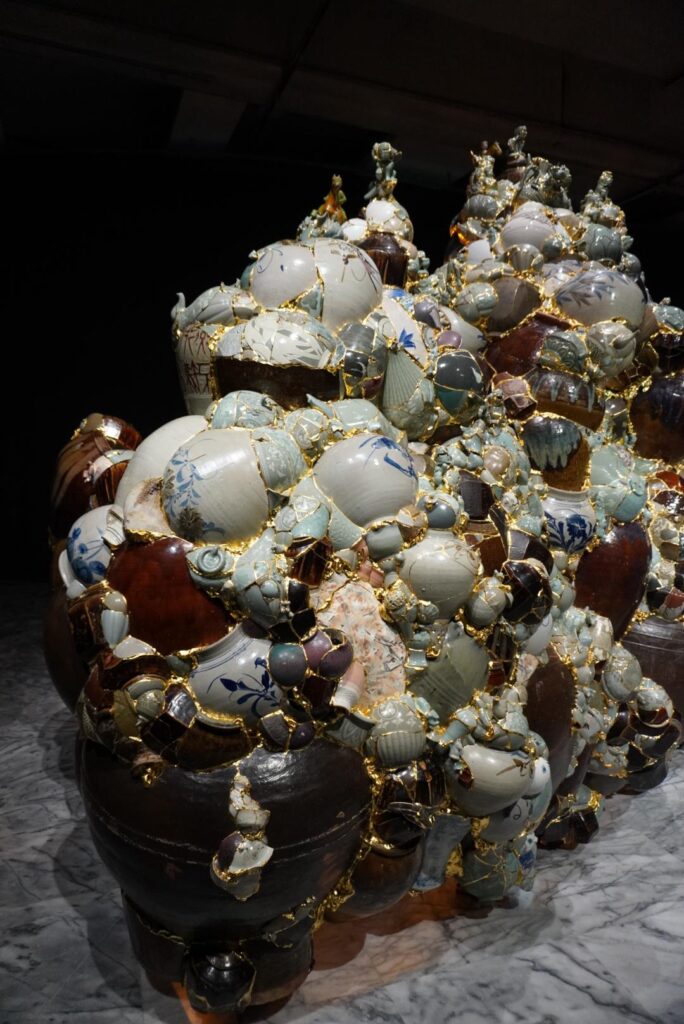
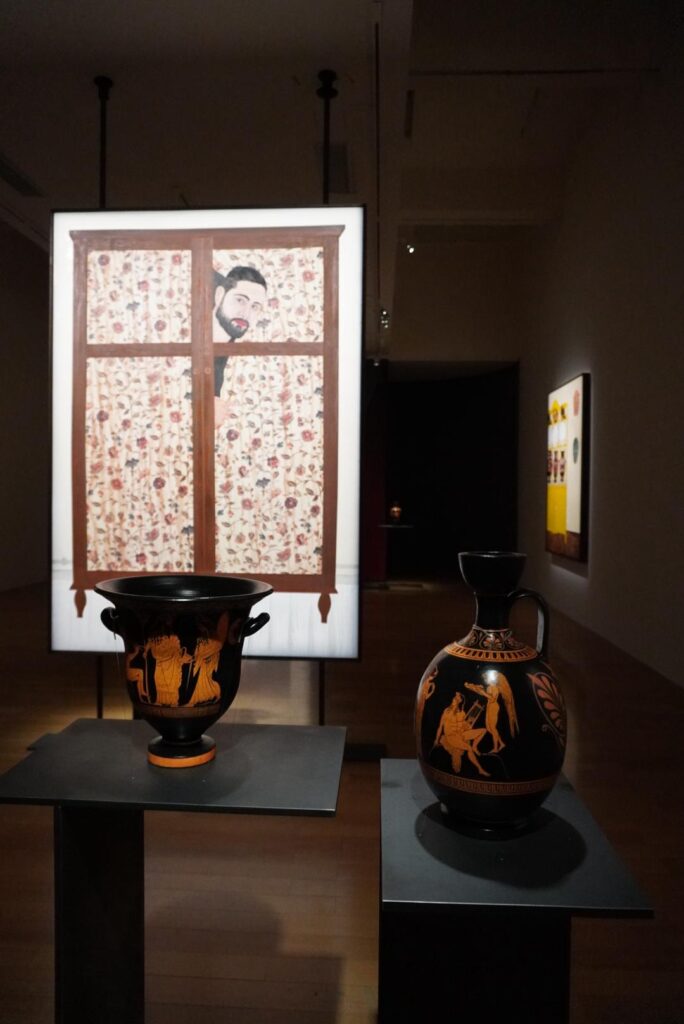
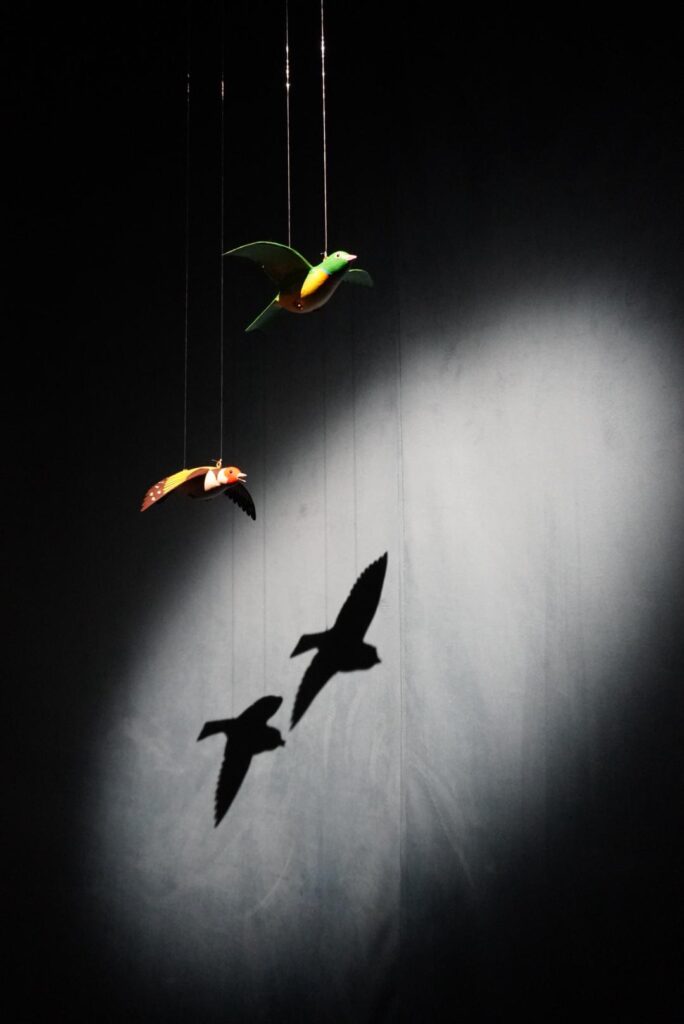
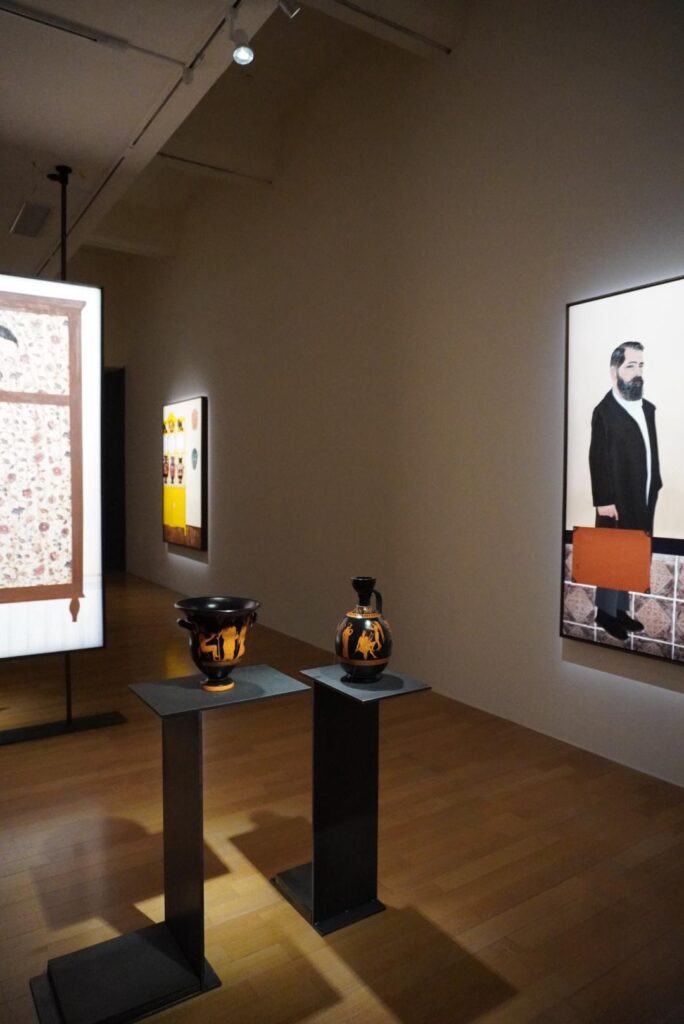
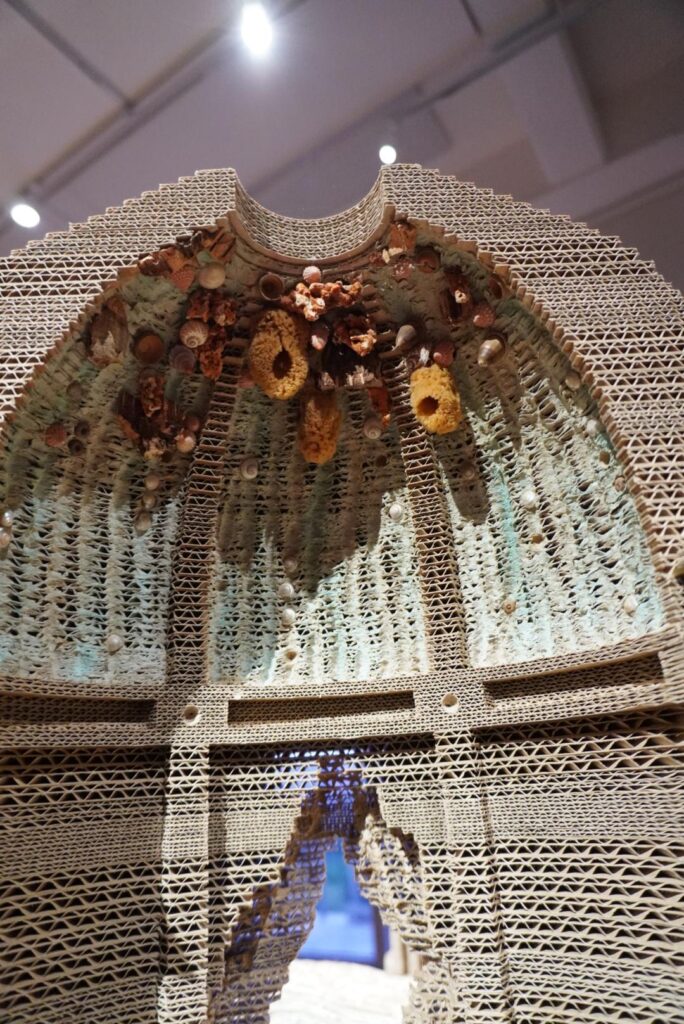
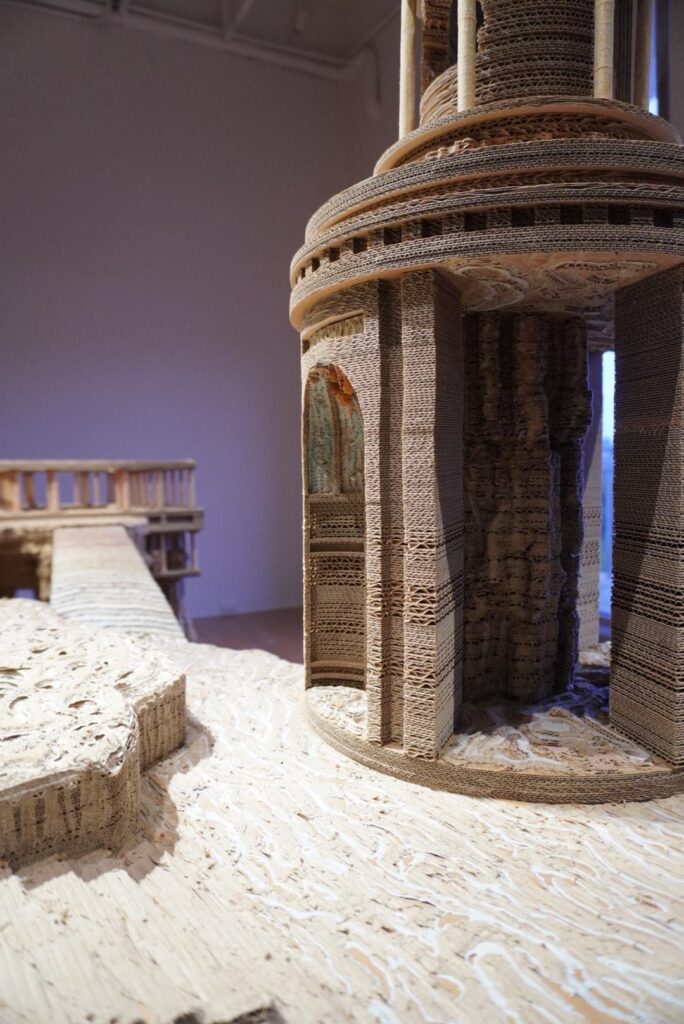
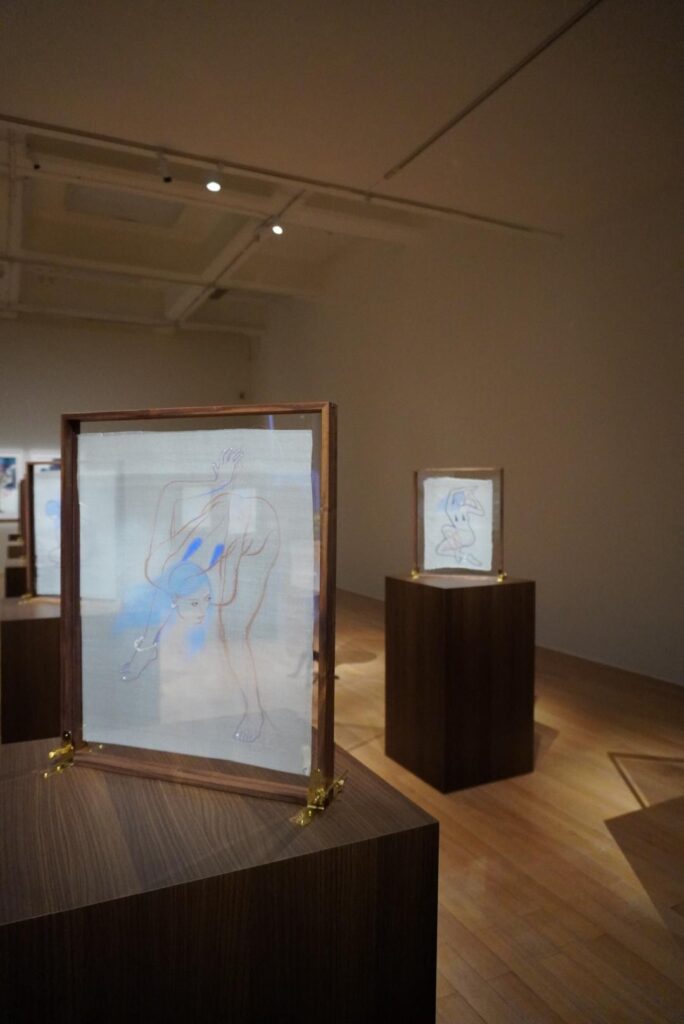
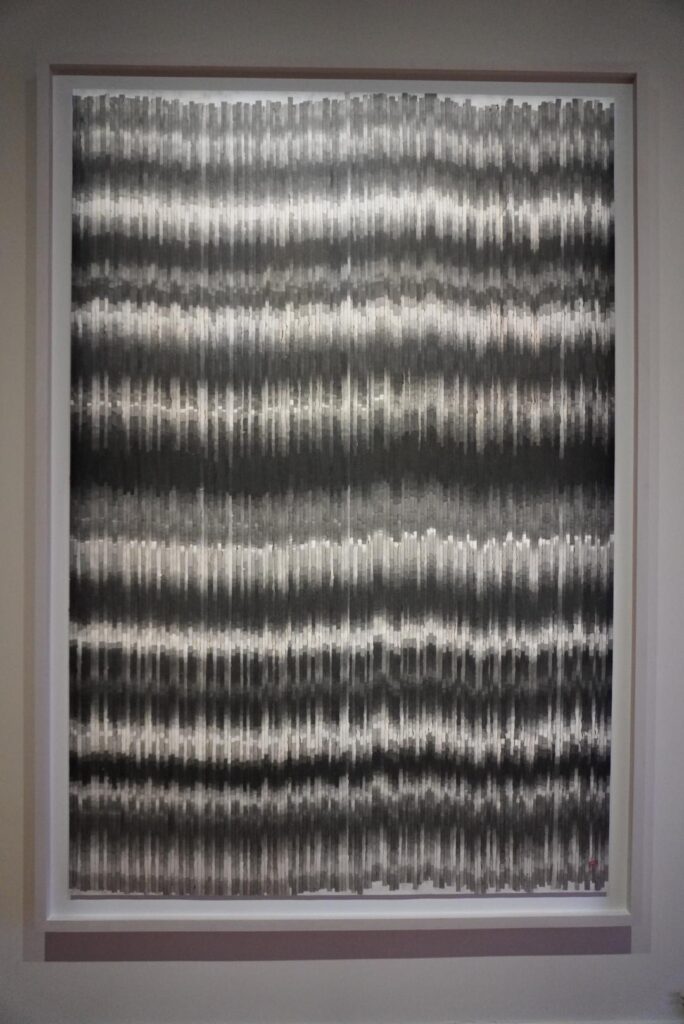
The 14th edition of the Taipei Biennial 2025, titled Whispers on the Horizon, brings together 54 artists from 35 cities around the world. Curated by Sam Bardaouil and Till Fellrath, this year’s edition feels especially fresh, with 33 new commissions and installations created especially for TFAM’s unique spaces. Nearly half of the participating artists were born after 1984, so the energy is very now — young, sharp, and globally connected.
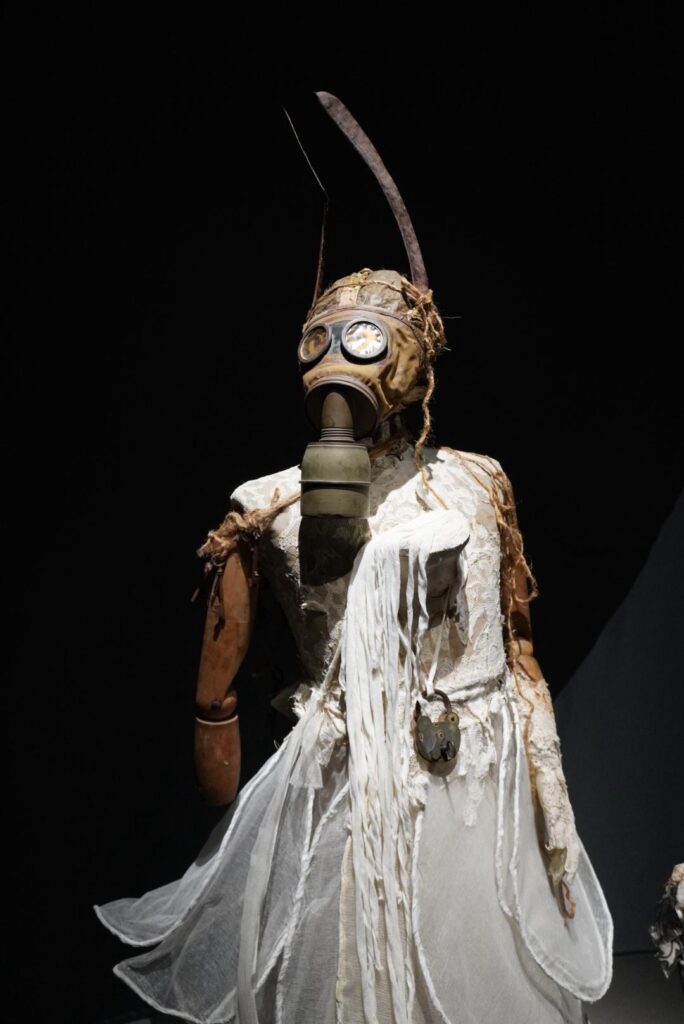
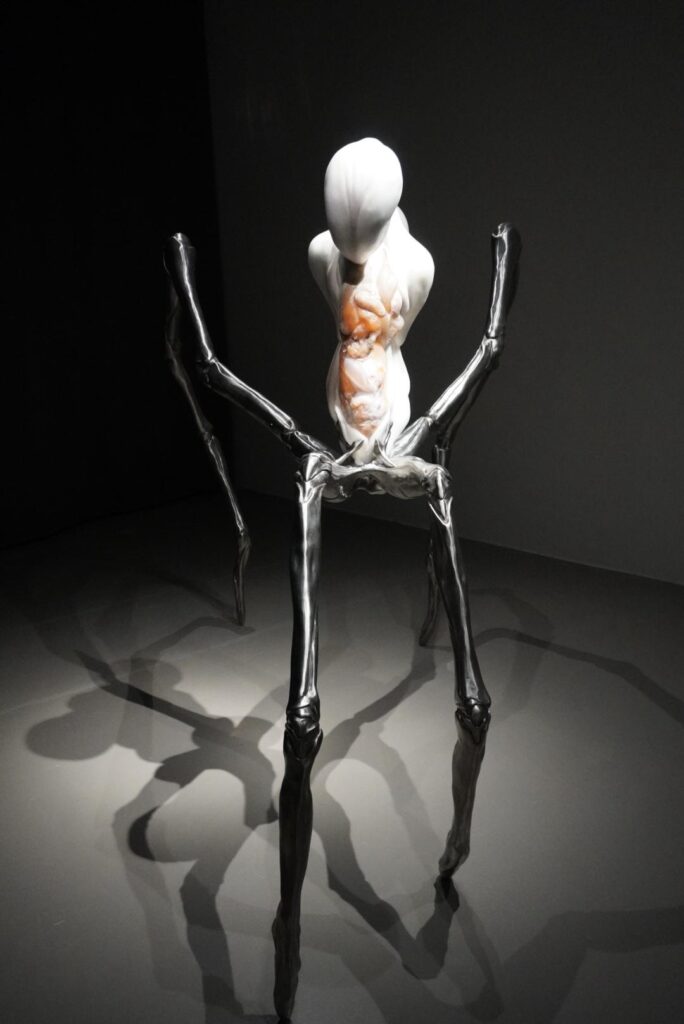
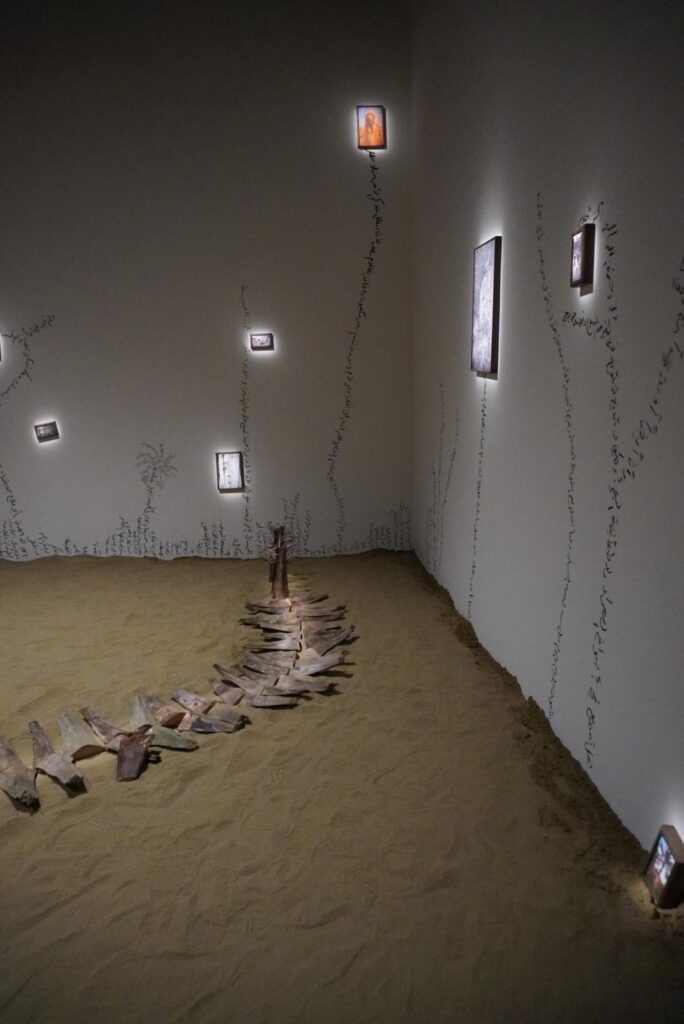
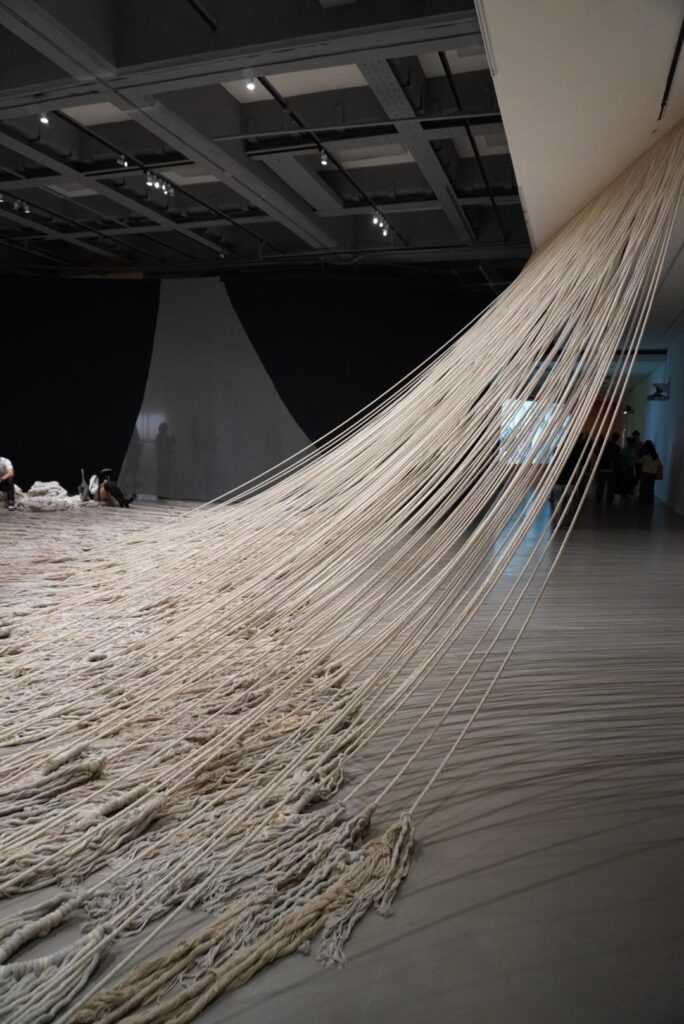
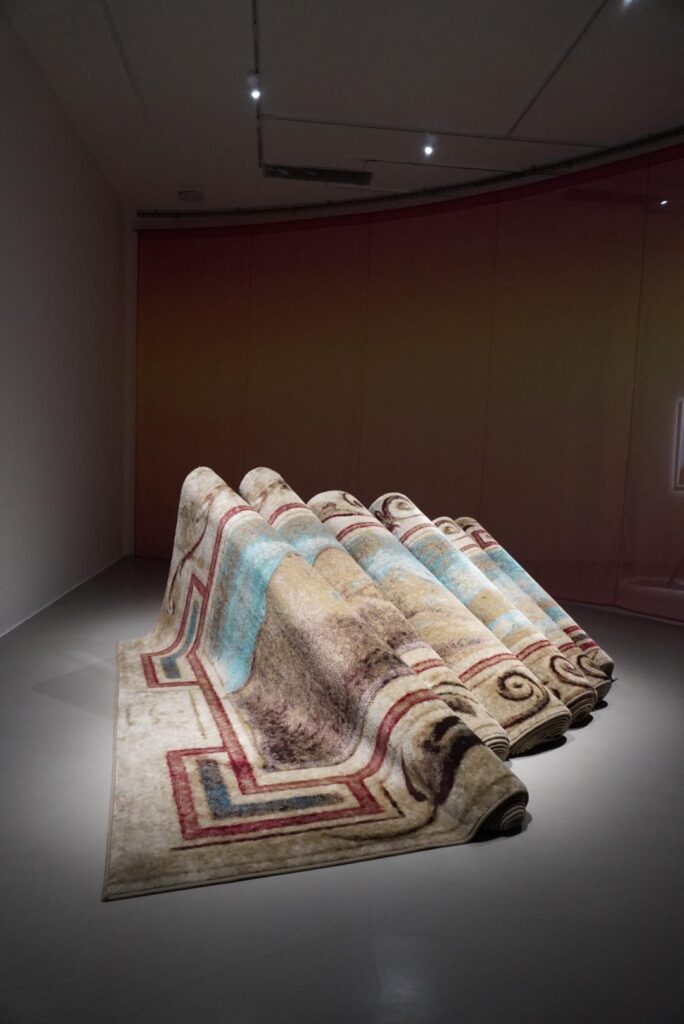
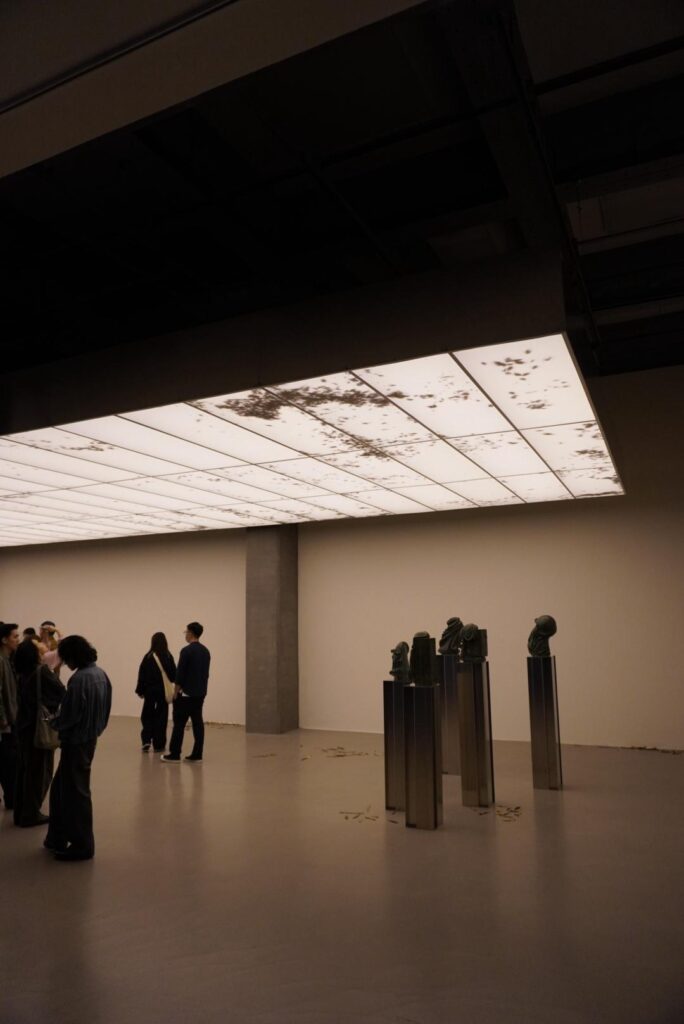
Yearning as the Heartbeat of the Biennial
This year’s theme looks at yearning — not just as simple desire, but as something deeper, more unresolved, and woven into our human experience. Taiwan’s layered history of colonialism, shifting identities, and political transformations sets the tone here.
Yearning in this context feels like a tension that never quite settles. It’s the ache of disappearing histories, of futures that feel just out of reach. It exists between nostalgia and hope — suspended in a space where time, memory, and imagination blur.
The exhibition follows this feeling across personal stories and collective memory, through works that touch on belonging and displacement, presence and absence, reality and illusion.
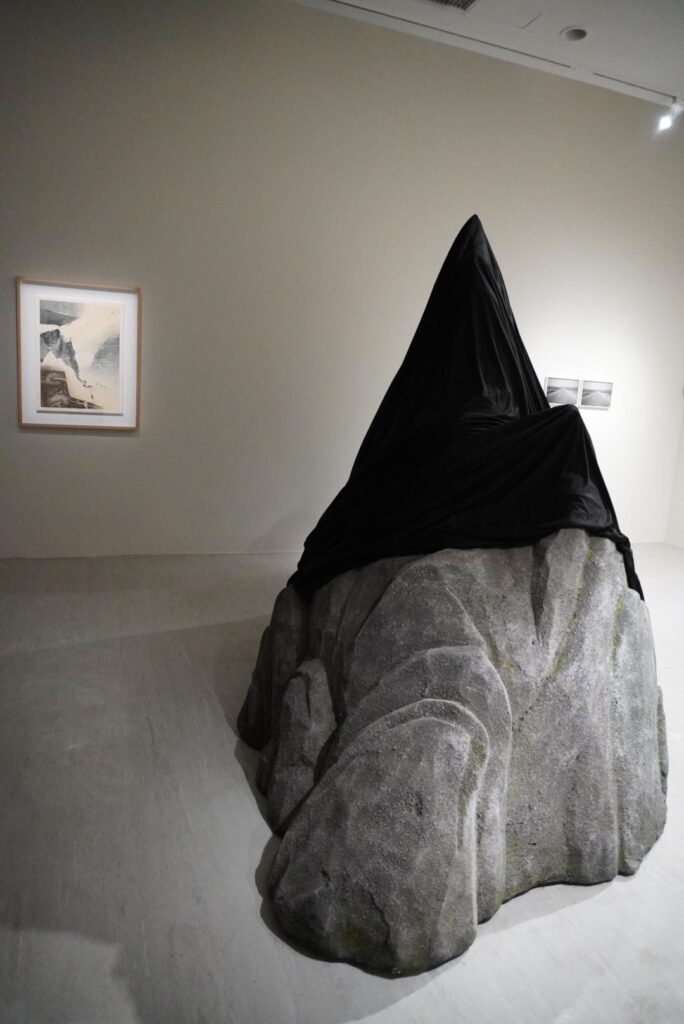
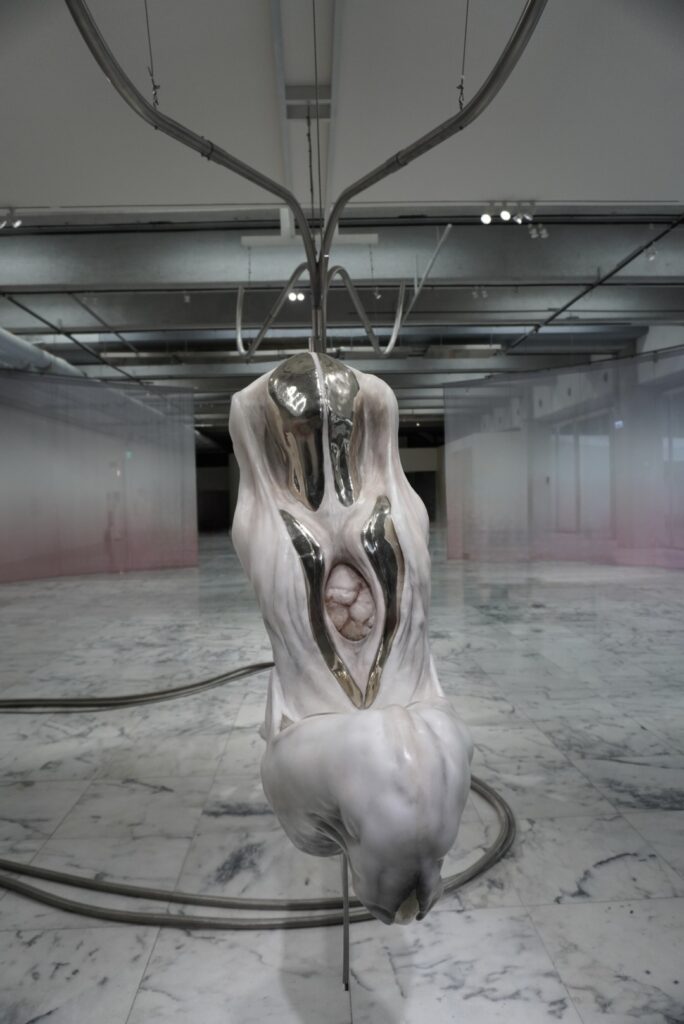
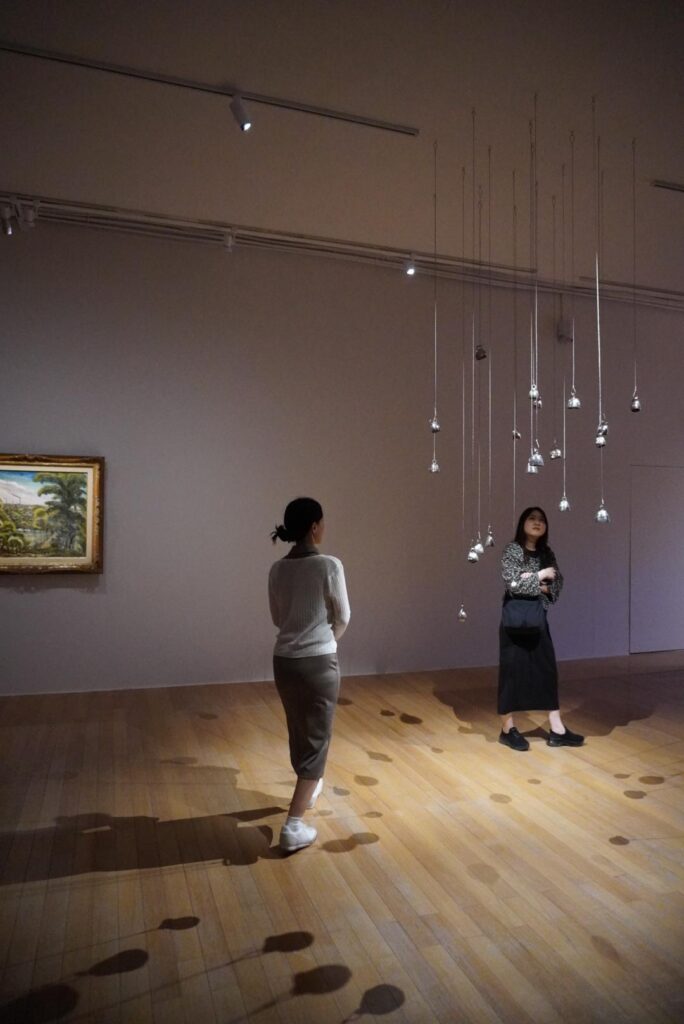
Three Objects, Three Stories
The Biennial draws inspiration from three iconic objects in Taiwanese film and literature — none of which appear physically in the show, but all of which linger like ghosts:
- A puppet from Hou Hsiao-Hsien’s The Puppetmaster (1993), reflecting Li Tien-lu’s life under Japanese rule.
- A diary from Chen Yingzhen’s short story My Kid Brother Kangxiong (1960), filled with the dreams and frustrations of a young man during Taiwan’s politically turbulent years.
- A bicycle from Wu Ming-Yi’s The Stolen Bicycle (2015), where a son’s search for his father pulls him into wartime memories.
These objects become symbols of what’s lost, taken, or left behind — reminders that yearning often lives in absence.
Where Past and Present Meet
One of the most interesting aspects of this Biennial is the dialogue between contemporary art and early 20th-century works from TFAM’s collection — including pieces by Chen Cheng-Po, Chen Chin, and Chen Chih-Chi. Plus, there are references to artifacts from the National Palace Museum, adding another layer of history.
It’s a reminder that yearning isn’t just emotional — it is something recorded across centuries in brushstrokes, pigments, ceramics, and stories. It stretches through time, connecting generations in ways that feel both intimate and universal.
A Feeling That Never Completely Settles
Even though the exhibition begins in Taiwan, its themes extend far beyond. Here, yearning becomes a kind of universal language — migration, home, identity, the desire for futures we can’t quite grasp.
Whispers on the Horizon doesn’t try to give answers. Instead, it lingers. It invites you to sit with the unresolved, to feel the quiet pull between memory and imagination. It whispers, and then keeps whispering long after you leave the museum.
Participating Artists
(List of artists remains the same — usually blog readers want to keep this intact, so you can include the list as-is below.)
[Artist list remains unchanged]
About the Curators
Sam Bardaouil and Till Fellrath, currently directors of Hamburger Bahnhof in Berlin are known for their thoughtful, inclusive curatorial approach. They’ve worked with major museums worldwide, taught at top art schools, and curated several Venice Biennale pavilions. Their work often revisits art histories, pushes for broader inclusion, and builds new connections across cultures.
About the Taipei Biennial
Launched in 1998, the Taipei Biennial is one of Asia’s longest-running and most influential biennials. It’s hosted by Taipei Fine Arts Museum (TFAM) and serves as a platform where Taiwanese and international art meet, collide, and exchange ideas. Each edition tackles contemporary global issues while remaining rooted in the specific cultural landscape of Taiwan.
About TFAM
Founded in 1983, Taipei Fine Arts Museum is Taiwan’s first modern and contemporary art museum. It’s been a key supporter of Taiwanese art, while staying closely connected to the global contemporary art world. TFAM has represented Taiwan at the Venice Biennale since 1995 and has organized the Taipei Biennial since 1998.
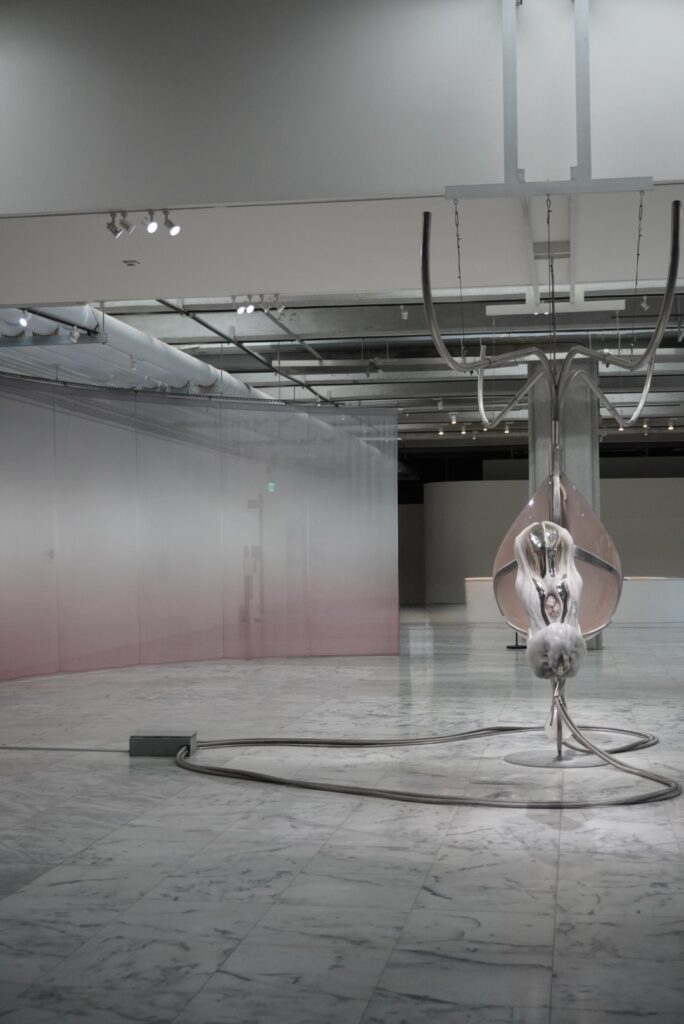
All photo are taken by Artpreciate