The early development of the international art market reflects a gradual yet profound transformation in the way art was produced, circulated, and valued. During the Renaissance, private art collecting emerged among the European elite, where art became a visible marker of wealth, education, and cultivated taste. Collecting was no longer merely an act of possession; it became a form of cultural performance through which patrons signaled refinement and intellectual engagement. Collections often encompassed a wide range of works and styles, reflecting both personal discernment and the expanding diversity of artistic production.
At the same time, Renaissance humanism fostered a renewed appreciation for the intrinsic value of art—not only as decorative or symbolic objects, but as expressions of human creativity and intellect. This marked a significant departure from earlier periods, in which art was primarily functional, devotional, or strictly emblematic. The establishment of art academies and guild systems further formalized artistic training, standardizing techniques and aesthetics across different regions of Europe. This contributed to a shared visual language that enabled artworks to circulate more fluidly beyond local or regional contexts, laying early foundations for a broader art economy.
The expansion of trade routes and European exploration further accelerated the circulation of artistic ideas and objects. Art increasingly became embedded within systems of exchange, gradually acquiring the characteristics of a tradable commodity within emerging global networks. By the 17th and 18th centuries, the rise of a wealthier middle class broadened the base of art consumption, shifting patronage beyond aristocratic and ecclesiastical elites. Art auctions, which began to formalize during this period, introduced a more open and competitive mechanism for art distribution, contributing to a partial democratization of ownership.
The tradition of the Grand Tour further reinforced these dynamics. Wealthy young Europeans traveled across the continent, acquiring artworks and antiquities that shaped private collections and stimulated demand for cultural artifacts from diverse regions. This practice not only intensified the circulation of objects but also contributed to the early internationalization of taste and collecting practices.
The 19th century introduced new structural shifts driven by industrialization. The rise of the bourgeoisie created a new class of patrons whose demand for art supported increased production and expanded institutional infrastructures, including public museums and galleries. These developments significantly widened access to art, positioning it within the public sphere rather than exclusively within private collections. At the same time, the emergence of art criticism and the ideology of “art for art’s sake” elevated the cultural status of both the artist and the artwork, reinforcing the autonomy of artistic production. Salons and exhibitions provided essential platforms for visibility, shaping public taste and consolidating new systems of artistic recognition.
The advent of modernism in the early 20th century disrupted traditional aesthetic frameworks. Movements such as Cubism and Surrealism challenged established conventions, expanding the conceptual boundaries of art and attracting new networks of collectors and institutions. However, the two World Wars profoundly destabilized the art world, resulting in widespread displacement, loss, and circulation of artworks. In the postwar period, art became central to cultural reconstruction, with renewed investment in artistic production and institutional development. Movements such as Abstract Expressionism further diversified artistic languages and expanded the global reach of contemporary art.
During this period, the United States emerged as a dominant force in the international art market. New York, in particular, became a leading center for contemporary art, gradually rivaling traditional European capitals such as Paris and London. This shift was supported by postwar economic prosperity and increasing private and institutional investment. Influential galleries and dealers played a critical role in shaping both market dynamics and artistic careers, solidifying the infrastructure of the modern art world.
Understanding this historical trajectory is essential for contextualizing the contemporary art market. It reveals how art evolved from a symbol of religious and aristocratic power into a globally traded commodity embedded in complex economic, cultural, and institutional systems. It also illuminates the changing role of the artist, the expansion of audiences, and the development of key mechanisms such as collecting practices, auctions, galleries, and museums.
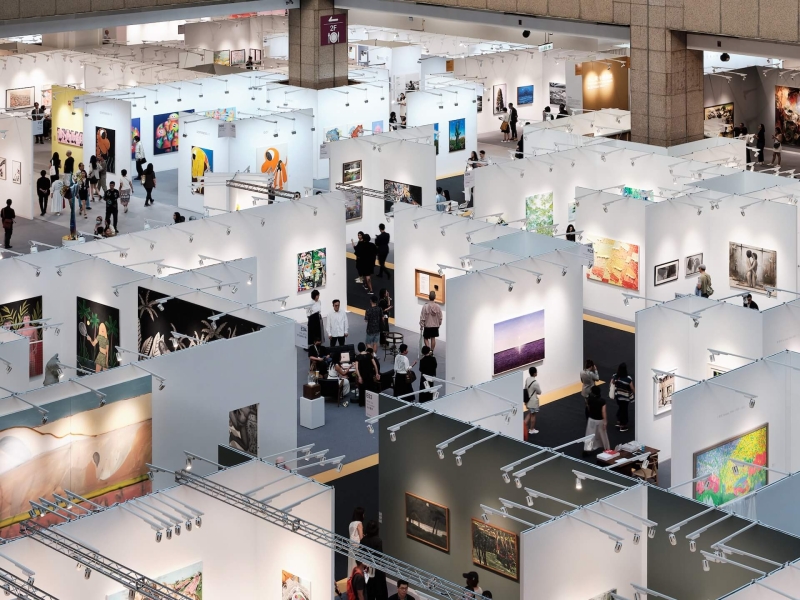
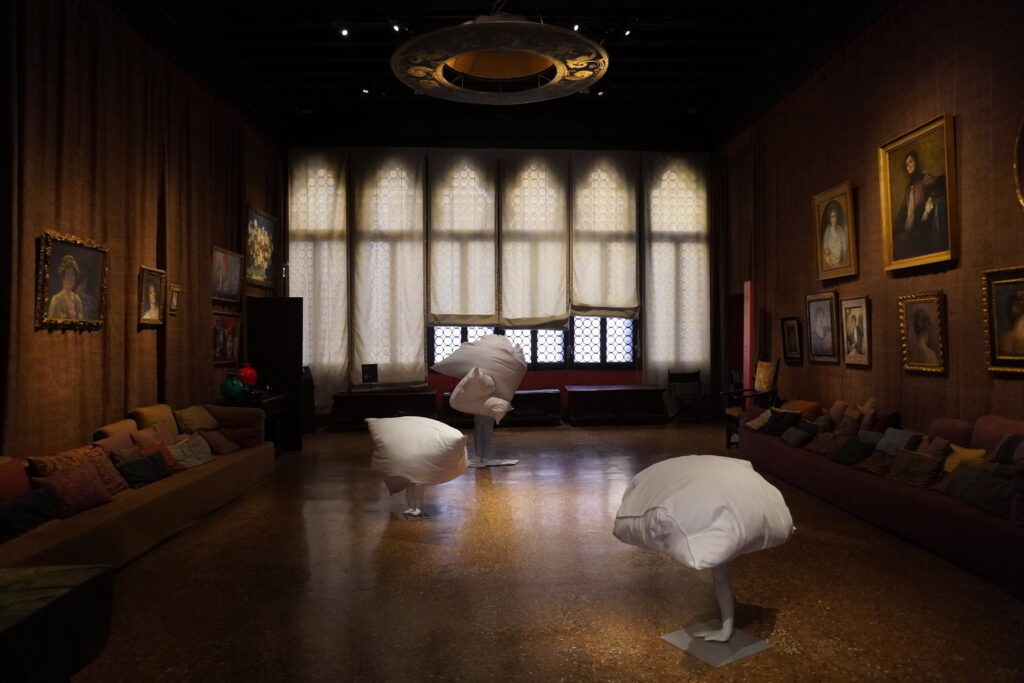
In the contemporary era, the art market has become increasingly globalized and diversified. Once largely centered in the West, it now incorporates a broad spectrum of cultural perspectives, particularly through the growing influence of Asia, the Middle East, and other emerging regions. Major international platforms such as the Venice Biennale, Art Basel, and Frieze function not only as commercial venues but as cultural institutions that shape discourse, define trends, and facilitate global exchange among artists, curators, collectors, and institutions.
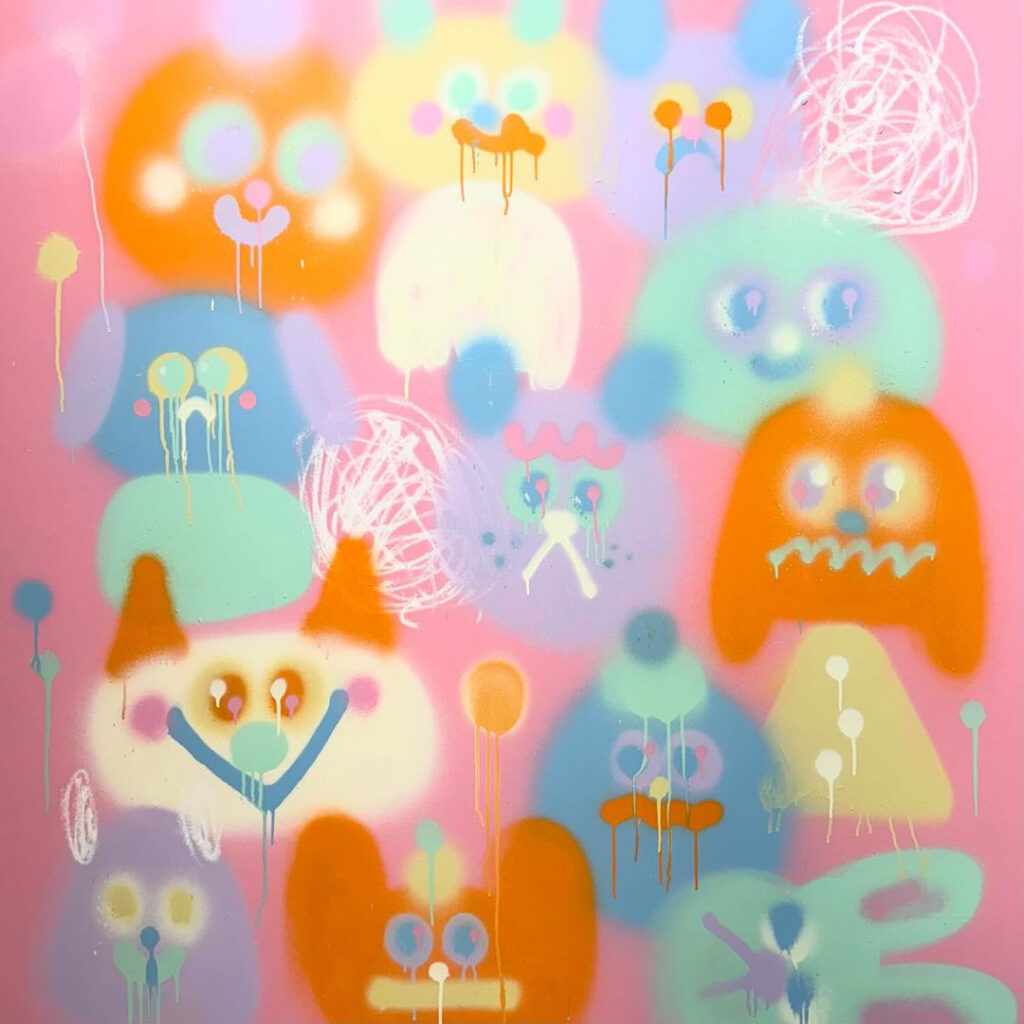
Simultaneously, the digital transformation of the art world has significantly expanded access and participation. Online platforms, virtual exhibitions, and digital marketplaces have dismantled many traditional barriers to entry, allowing artists to reach global audiences regardless of geography or institutional affiliation. This shift has contributed to a partial democratization of the art market, increasing visibility for underrepresented artists and broadening the scope of collecting practices.
Corporate collecting has also gained prominence, reflecting the growing intersection between art, branding, and institutional identity. Beyond aesthetic considerations, corporate collections often function as strategic assets that communicate cultural engagement and organizational values while supporting both established and emerging artists.
Within this increasingly complex ecosystem, the role of art advisors and consultants has become more significant. As the market expands in scale and complexity, these professionals provide essential guidance in areas such as acquisition strategy, curation, and market analysis, helping collectors navigate a highly diversified global landscape.
Together, these developments illustrate an art market that is no longer linear or geographically confined, but dynamic, interconnected, and continuously evolving in response to cultural, technological, and economic change.