
Why Jellycat Is So Popular: The Rise of Emotion-Driven Plush Culture.
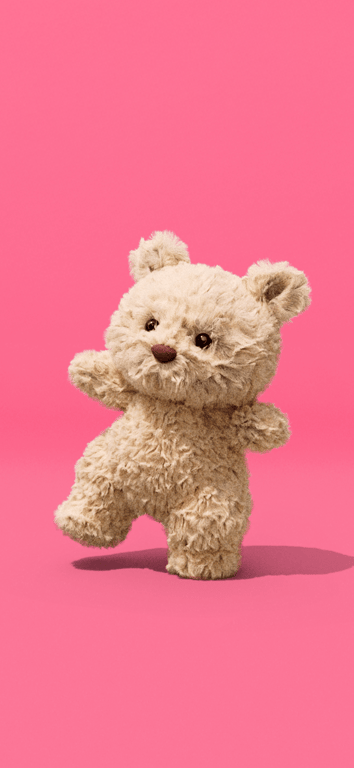
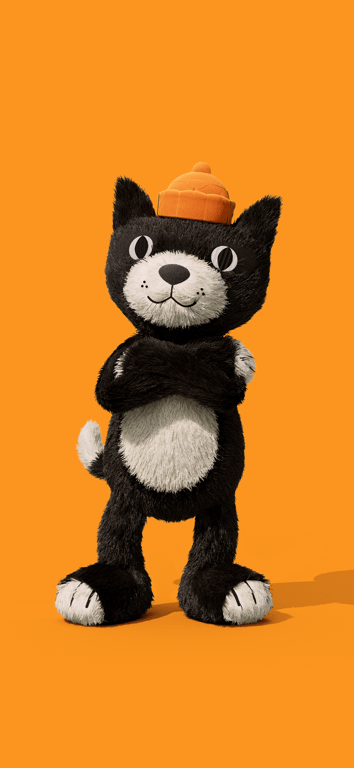
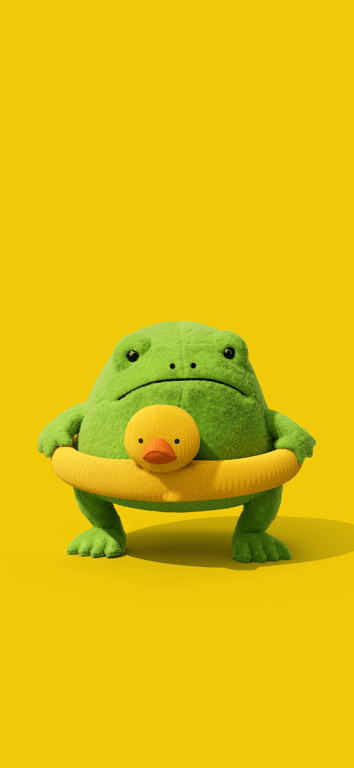
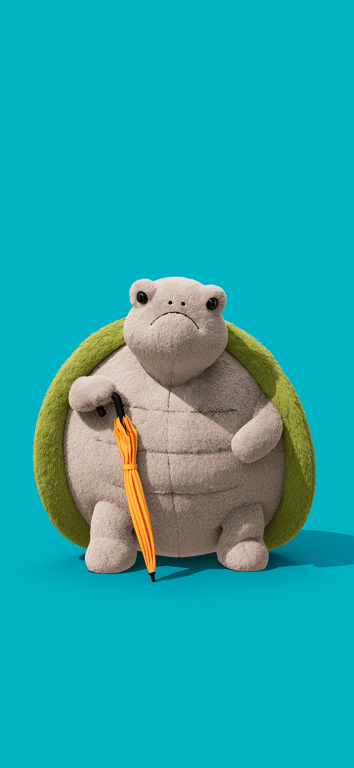
Jellycat’s rise to global obsession is often reduced to a simple explanation: “they’re cute.” But that answer barely scratches the surface. What Jellycat has actually built is not just a plush toy brand. It is an emotional ecosystem disguised as soft objects. Its success sits at the intersection of material quality, narrative design, experiential retail, and carefully engineered scarcity. In other words, Jellycat doesn’t just sell toys. It sells attachments.
The Foundation of Sensory Quality
At the most basic level, Jellycat’s dominance begins with physical experience. The toys are exceptionally soft, highly tactile, and designed for comfort in the most literal sense. The fabrics are engineered to feel safe, calming, and “holdable”—a detail that sounds simple but is critical in a world where physical comfort has become increasingly scarce in daily life.
This sensory appeal is the entry point. But if Jellycat relied only on softness, it would still be just another plush brand.
Emotional Design and Character Building
Jellycat does something deceptively powerful: it assigns identity.
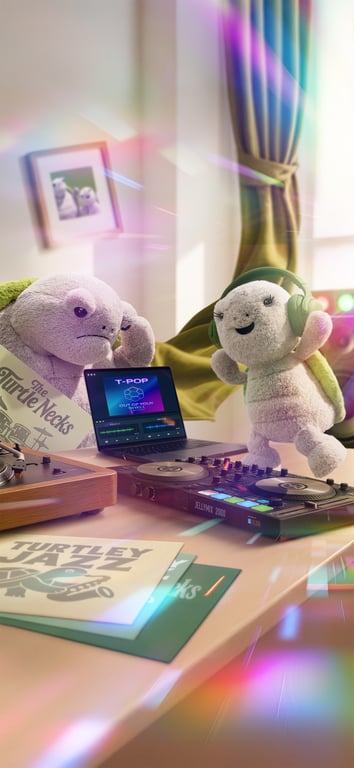
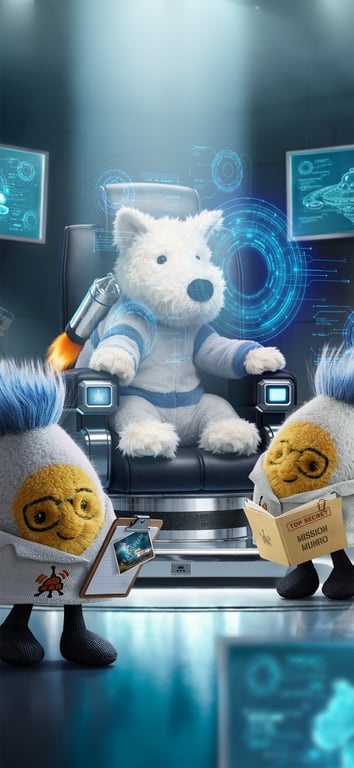
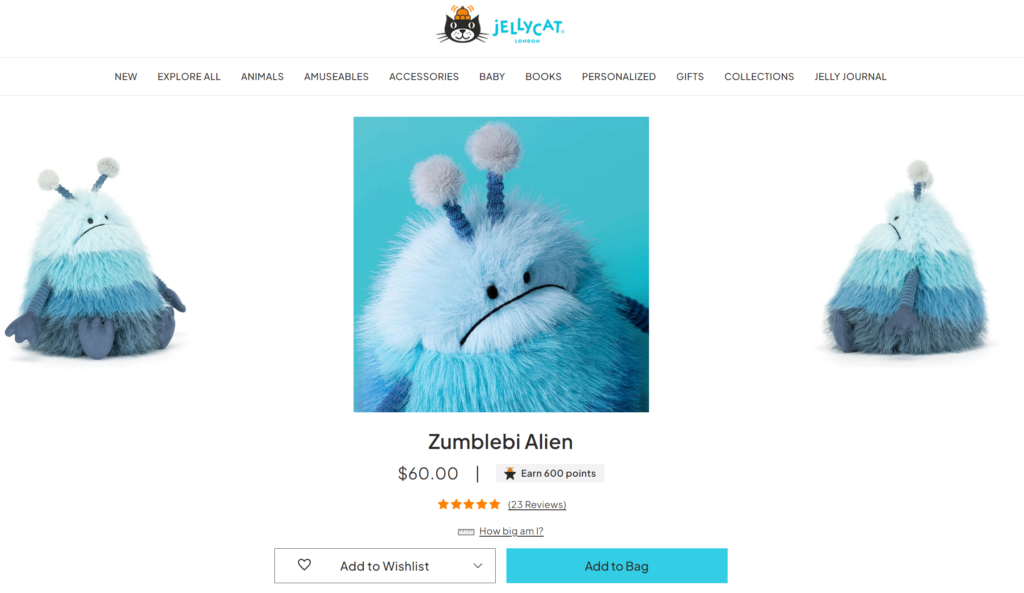
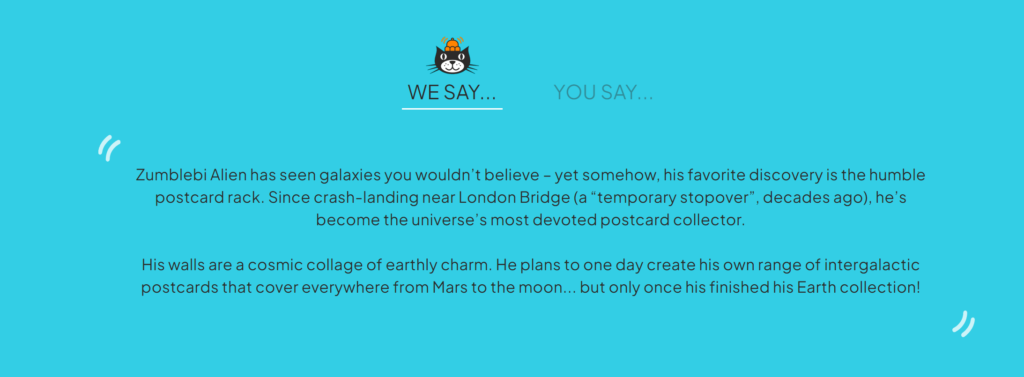
Each toy is given a name, a personality, and often a subtle backstory. This transforms an object into something closer to a character. Instead of buying “a plush toy,” consumers are emotionally led to adopt a companion.
This taps into a modern need for emotional anchoring in a fast, fragmented world.
Turning Everyday Objects Into Characters
One of Jellycat’s most distinctive strategies is expanding beyond animals into everyday objects—food, household items, and ordinary things.
A croissant becomes a character. A mushroom becomes a companion. A piece of toast becomes something with personality.
This creative move re-enchants the mundane and makes everyday life feel emotionally alive.
Experiential Retail and Immersive Stores
Jellycat’s retail experience elevates the brand into performance.
In select stores, staff act as chefs—“preparing” plush toys, adding playful rituals like sprinkling sugar or drizzling sauce before packaging.
This turns shopping into theatre. Customers don’t just buy—they participate. And naturally, these moments are highly shareable on social media.
Scarcity and Collectability Strategy
Jellycat understands that desire grows with limitation.
The brand retires designs, releases seasonal collections, and drops limited editions. Once a plush is gone, it may never return.
Regional exclusives and purchase limits further increase demand, fueling resale markets where prices often double—yet still sell out.
Regional Pricing and Limited Access
Another lesser-known factor is regional pricing and distribution.
Some regions offer lower prices, while others restrict shipping entirely. This creates uneven access globally, making certain items harder to obtain.
As a result, owning Jellycat can feel exclusive—sometimes dependent on travel or personal networks.
Emotional Value vs Hype Culture
Is Jellycat selling emotional value, or is it just hype?
The answer is both.
It combines:
- Emotional storytelling
- Sensory comfort
- Scarcity-driven demand
- Social media–ready experiences
This dual system is what makes it so powerful.
The Deeper Cultural Insight
Jellycat’s success reveals something deeper about modern consumers.
People are no longer just buying objects. They are buying emotional meaning.
Jellycat doesn’t just sell plush toys. It sells companionship, softness, and a sense of connection in a world that often feels disconnected.
And that is why Jellycat isn’t just popular. It’s culturally resonant.