Lin Hsien-Neng’s design philosophy unfolds through a quieter rhythm, one that resists urgency and leans into presence. On a quiet afternoon, we had the rare opportunity to step into Lin’s private residence, guided by the designer himself. The visit felt less like a tour, and more like an intimate entry into the philosophy that shapes both his work and his way of living.
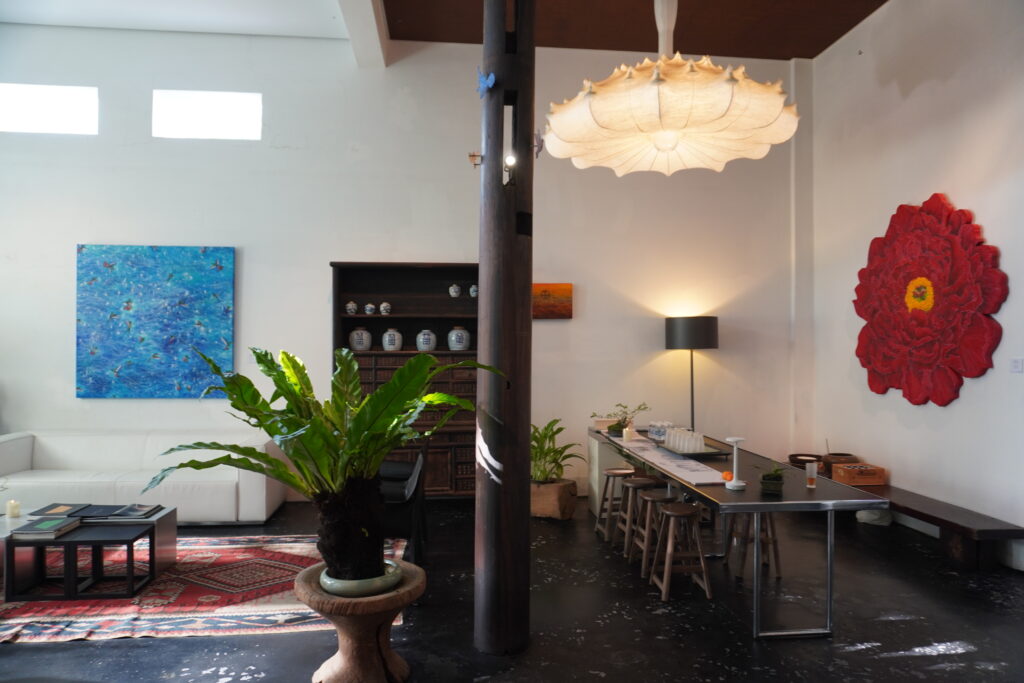
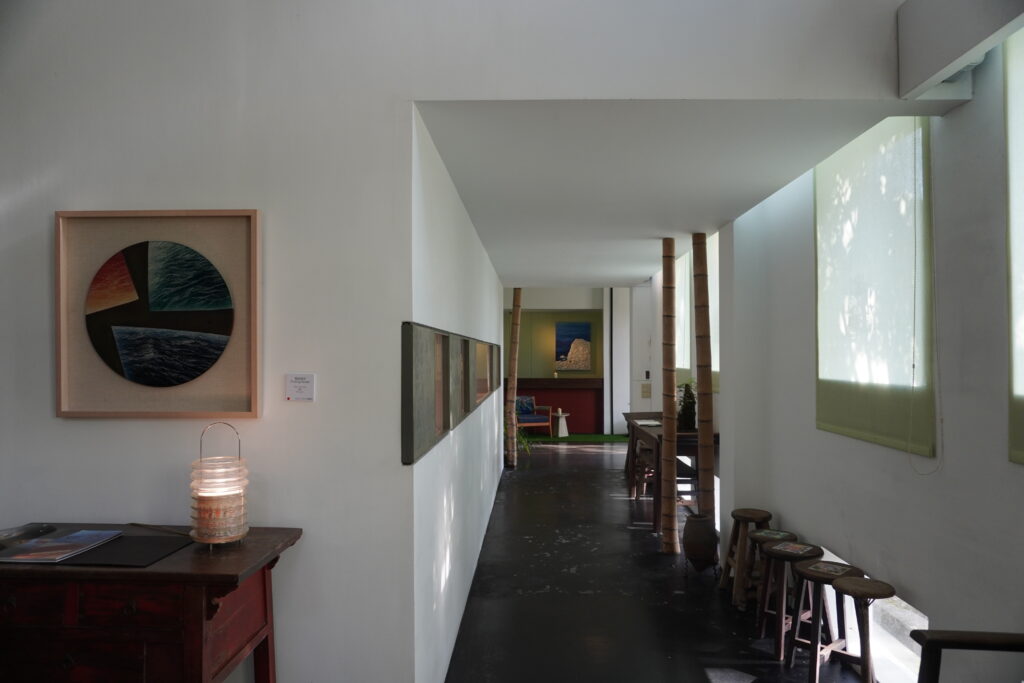
For Lin Hsien-Neng, design is not merely about shaping objects or spaces. It is a way of understanding life itself. Through years of practice, he has come to see design as an extension of nature. Something that should coexist harmoniously with its surroundings rather than dominate them. This philosophy is deeply intertwined with his appreciation for tea culture, where patience, balance, and subtlety define the experience.
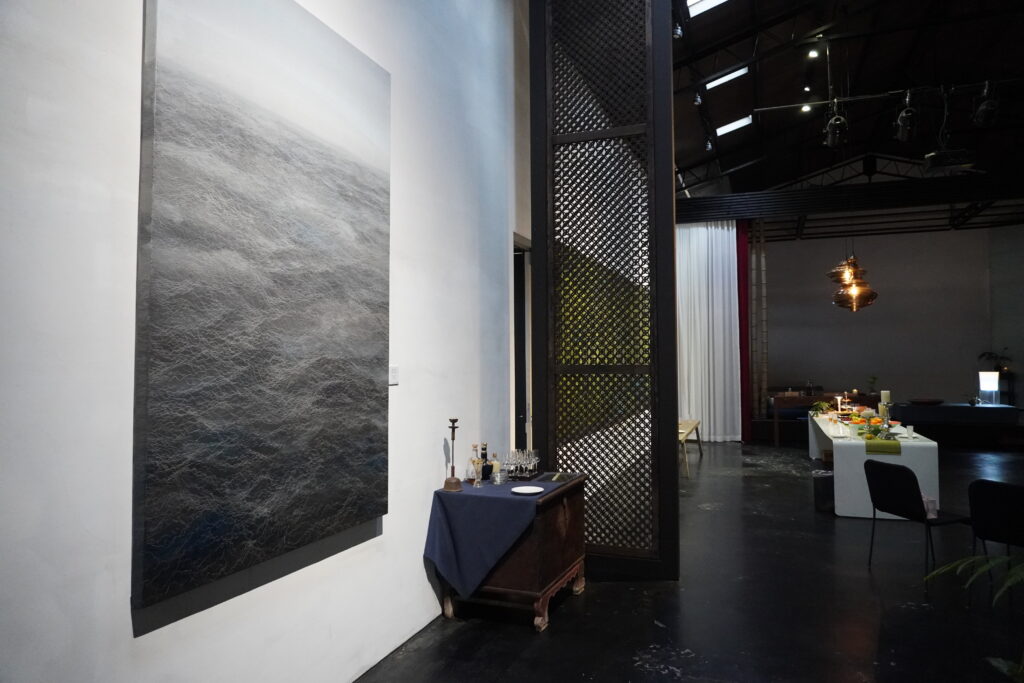
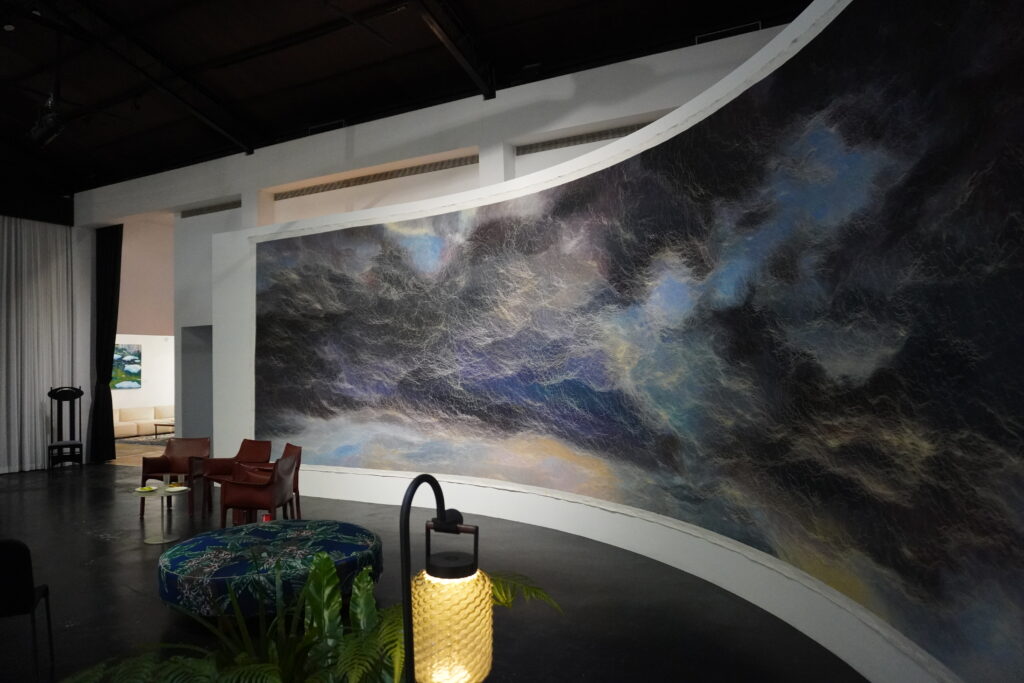
He led us to the second floor, a quiet tea room alongside a small Buddhist altar. The space was serene, almost weightless in its stillness. With its Japanese tatami flooring and restrained material palette, it carried a distinct sense of Zen, calm, grounded, and intentional.
Tea, in Lin’s world, is more than a daily ritual. It is a form of meditation. The process : boiling water, steeping leaves, waiting, becomes a quiet dialogue between the individual and their surroundings. Within this space, design reveals its true purpose: not to impress, but to create the conditions for presence.
There is a particular sensitivity in his work, one that echoes the ethos of East Asian tea culture. Not in a literal sense, but in its underlying philosophy: that meaning unfolds gradually, and that noticing is, in itself, a form of participation. The preparation of tea measured, deliberate, unhurried, becomes a parallel language through which his design thinking can be understood.
Here, aesthetics are not performative. They are relational. A surface is not simply seen, but encountered. Light is not decoration, but a shifting presence. Even absence, the spaces in between holds weight.
Lin’s restraint is perhaps his most defining gesture. Where contemporary design often seeks to assert identity, his work dissolves into its surroundings. It does not demand attention, but instead rewards those willing to linger. This subtlety is not a lack of expression, but a refusal of excess.
What emerges is a quiet proposition: that design can move beyond function and form, toward cultivating states of being. That the environments we inhabit shape not only how we live, but how we feel, think, and relate.
In this sense, Lin Hsien-Neng’s work aligns with a broader cultural shift, one that values intentionality over immediacy, and depth over spectacle. It asks a simple, yet increasingly urgent question: what does it mean to live well?
Not as a pursuit of more, but as a practice of enough.